7 Best Decluttering Tricks Professional Organizers Use in 2026

Many believe decluttering is simply about throwing things away.

LQ
Layla Quinn

April 20, 2026 · 4 min read

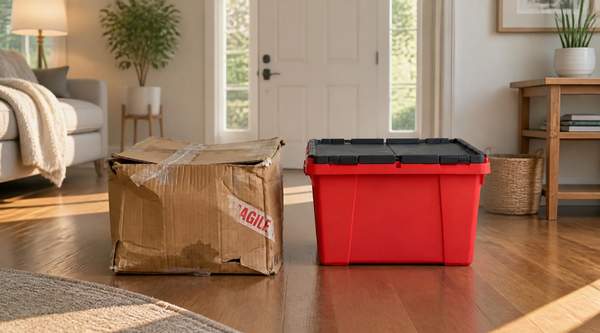
A beautifully organized and minimalist living room, bathed in natural light, showcasing the results of professional decluttering techniques.

Many believe decluttering is simply about throwing things away. However, professional organizers reveal its true power: strategically warming up your decision-making muscles before tackling emotionally charged items. This isn't just about a tidy space; it's a strategic process for a clear mind, designed to alleviate mental burden and foster intentional living. Without this approach, many face burnout and fail to achieve lasting clarity. Adopting this mindset for both physical and mental spaces appears likely to significantly improve overall well-being and reduce daily stress, challenging the common perception of decluttering as a finite task.

7 Best Decluttering Tricks Professional Organizers Use in 2026

  1. Start with a Plan or Step-by-Step System

    Professional organizers always begin with a clear plan or system, according to Homesandgardens. This strategy prevents scattered efforts and frustration, providing clear direction and momentum. It's essential for anyone feeling overwhelmed, ensuring you stay focused and achieve your goals.

  2. Use a Sorting System (e.g. Four Box Method)

    Implement a sorting system like the 'Four Box Method' (Keep, Donate, Sell, Trash) to bring clarity to your process. This framework streamlines decision-making, preventing wasted time and ensuring meaningful progress rather than just moving items around.

  3. Avoid Keeping Items 'Just in Case'

    Professional organizers never keep items 'just in case.' This common mistake leads to unnecessary accumulation. Shift your mindset to facilitate decisive action, ensuring your space truly reflects your current needs and frees up valuable room.

  4. Save Sentimental Items for Last

    Tackle sentimental items only after your decision-making muscles are warmed up. This strategy, favored by professionals, prevents emotional fatigue and ensures these items receive thoughtful consideration without derailing your momentum.

  5. Prioritize Spaces Based on Functionality or Emotional Weight

    Prioritize spaces by their functionality or emotional weight. This strategic approach ensures you tackle areas that offer the most immediate relief or benefit, maximizing impact and efficiency in your decluttering journey.

  6. Begin with a Small, Manageable Area

    Start small. Tackling a manageable area first builds momentum and prevents overwhelm. This practical tip makes the entire process feel less daunting, boosting confidence and preventing burnout.
Avoiding Common Decluttering Pitfalls

Common MistakeImpactProfessional Organizer ApproachBenefit
Keeping items 'just in case'Clutter accumulation, decision fatigueEliminate items without current purposeFrees space, reduces mental load
Purging impulsivelyRegret, re-accumulation of unwanted itemsFollow a structured plan, evaluate purposeSustainable results, intentional choices
Following trends blindlyEnvironments not reflecting personal styleFocus on personal identity and current needsAuthentic space, lasting satisfaction

Professionals sidestep impulsive decisions and the 'just in case' mentality, ensuring decluttering efforts are sustainable and serve current needs. This systematic, plan-driven approach reveals that intentional living requires discipline, not spontaneous purging. Many who struggle with overwhelm likely lack a robust mental framework for managing their cognitive load.

Decluttering Beyond the Closet: Mind and Lifestyle

Streamlining your wardrobe relieves stress and decision fatigue, according to Bemorewithless. This principle extends to mental and digital spaces. Applying the same intentionality frees up significant mental and emotional bandwidth. For instance, reducing news consumption to once or twice a week, as noted by bemorewithless.com, acts as a mental decluttering strategy. This suggests structured 'information diets' offer clarity and reduce cognitive load, mirroring effective physical decluttering methods.

The Holistic Impact of an Organized Life

Engaging in low-stakes relationships, like those from hobbies such as tennis, significantly impacts mental health, according to bemorewithless.com. This reveals that true decluttering transcends mere tidying; it's an intentional act of self-definition. Eliminating 'just in case' items and trend-following purges allows your current identity to shape your environment and mental landscape. Ultimately, individuals attempting to declutter their lives—physical or mental—are likely failing by tackling their most emotionally charged burdens first, burning out before achieving lasting clarity. If individuals adopt these strategic, professional-level decluttering techniques, they appear likely to achieve not just tidier homes, but a significantly more intentional and less stressful overall existence.

Your Decluttering Questions Answered

What are the top 5 decluttering tips?

Top tips focus on strategy and mindset. Beyond methods like the Four Box, consider a 'holding zone' for undecided items for 30 days to avoid regret. Also, visualize your ideal space first to align decisions with your vision.

How do professional organizers declutter a home?

Professional organizers start with a thorough assessment of your space and lifestyle. This initial consultation uncovers specific challenges and goals, leading to a customized plan that addresses your unique needs before any physical sorting.

What is the fastest way to declutter?

The fastest way involves focusing on high-impact areas first, like entryways or kitchen counters. Another quick strategy is the 'one-in, one-out' rule for new purchases, preventing new clutter and maintaining organization.