In a cold attic, frost clinging to a nail head—a 'shiner'—can be the first, often missed, warning sign of a hidden roof leak. This subtle internal cue confirms moisture penetration, long before external signs or water stains appear. Overlooking such early warnings invites significant, costly structural damage to a home's largest asset.
Homeowners often assume their roof is sound without obvious leaks, but subtle, easily missed indicators signal impending failure. The most destructive issues frequently begin internally or as seemingly benign external growths, escalating repair costs exponentially. Without consistent vigilance and targeted inspections, homeowners face escalating repair costs and potential structural damage that could have been avoided.
Cracked, curling, or missing shingles are primary indicators of failing protective layers, demanding immediate attention, according to Amica. Moss, mold, or algae growth also signals moisture issues and potential failure. Critically, missing granules on asphalt shingles create pockets for water, ice, and debris, accelerating roof aging, as noted by Fortified Home. These seemingly minor surface issues collectively compromise the roof's integrity, inviting more severe and widespread damage if not addressed promptly.
Beyond the Shingles: Where to Look for Hidden Problems
Beyond visible shingle damage, a thorough inspection must extend to the attic and critical roof junctions. Hidden issues often precede visible exterior damage. For instance, 'shiners'—nails that missed framing—show as frost in a cold attic, states Family Handyman. Equally critical are flashing problems: loose or rusted step flashing, found where walls meet the roof, allows water to penetrate the house. Damaged flashing around vents or chimneys similarly signals roof problems, according to Amica. These internal and junction-specific flaws confirm that a roof's vulnerability often lies out of sight, demanding diligent internal scrutiny.
Proactive Measures and Professional Help
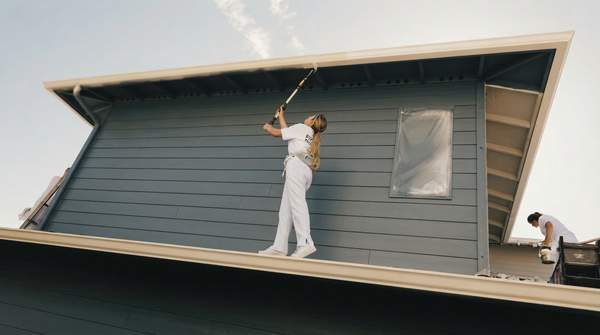
Consistent vigilance, combining homeowner-led attic checks with professional roof assessments, offers the most effective strategy for early detection and long-term roof health. Homeowners should consider hiring a professional for regular roof inspections, at least annually, advises Nationwide. This creates a dual responsibility: homeowners conduct frequent, basic self-monitoring, while professionals provide comprehensive, expert assessments. Additionally, a professional should inspect flashing every 5-7 years to ensure its integrity. This layered approach ensures both immediate issue spotting and long-term structural assurance, preventing minor issues from becoming major repairs.