A musty smell almost always means one thing: moisture is collecting somewhere it shouldn't, and mold or mildew is taking advantage of it. The fix is rarely a scented candle. You need to find where the smell is strongest, trace it to the underlying moisture problem, and then combine three approaches—drying the air, moving the air, and cleaning what the dampness has touched. Here is how to work through that process room by room.
Pinpointing the Source: A Diagnostic Guide
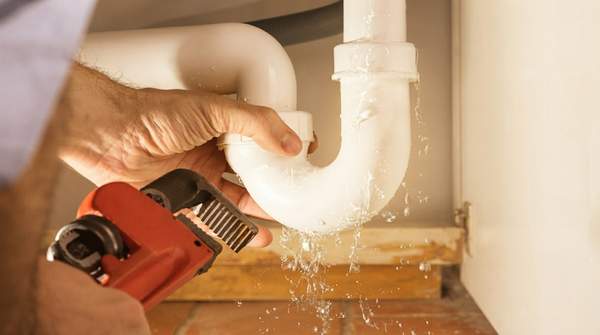
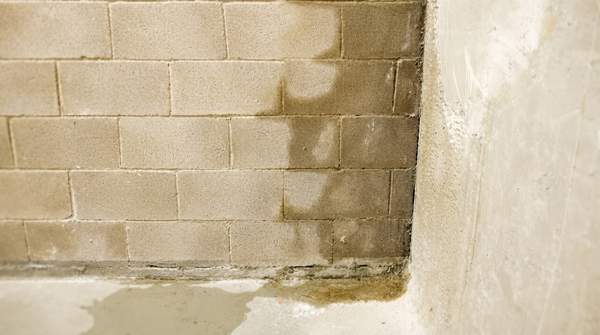
Start by noticing where the odor intensifies, because location is your biggest clue. The Environmental Protection Agency notes that a moldy smell with no visible source is itself a reason to suspect hidden mold, which can grow behind drywall, under carpets, around leaking or condensing pipes, inside ductwork, and on walls behind furniture where condensation forms. In basements and crawl spaces, the agency advises investigating any musty area to confirm water hasn't seeped in and mold isn't growing.
Not every source is hidden, though. Damp towels left bunched in a bathroom, a washing machine holding trapped moisture, or a kitchen mat that never dries can all produce the same stale, mildewy note. The framework below cross-references the strongest-smelling area with the most likely cause and the recommended first step.
Musty Smell Diagnostic and Remediation Framework
Use this matrix to move from "my house smells musty" to a concrete starting point. Find the row that matches where the odor is strongest, confirm the likely cause, and take the recommended first action before moving on to broader fixes.
| Location of Smell | Likely Cause | Recommended First Action |
|---|---|---|
| Basement or crawlspace | Excess humidity, stagnant air, or water seepage feeding hidden mold in damp conditions | Investigate for water entry, run a dehumidifier, and add continuous-run ventilation to expel damp, stagnant air |
| Bathroom | Damp bath linens, poor ventilation, and moisture around drains or mats—even if the room looks clean | Run an exhaust fan during and after showers, and deep-clean towels and mats (borax or vinegar work on fabrics) |
| Laundry area or washing machine | Trapped moisture and odors inside the appliance or in damp laundry sitting too long | Clean the machine itself, then wash affected items on a heavy-duty cycle with an odor-eating enzyme detergent, borax, or vinegar—repeating if needed |
| Kitchen | Damp mats, appliance moisture, and inadequate ventilation while cooking | Use a range hood that vents outside, and clean mats and appliances regularly |
| Whole house or near HVAC | General excess humidity, stagnant air, or mold inside ductwork | Change air filters to maximize circulation, measure indoor humidity, and consider a dehumidifier or whole-home ventilation |
If the smell persists but you find nothing in any of these locations, the EPA's guidance on hidden mold applies: the source may be behind a wall, under flooring, or inside ductwork, and that investigation goes beyond this guide's scope.