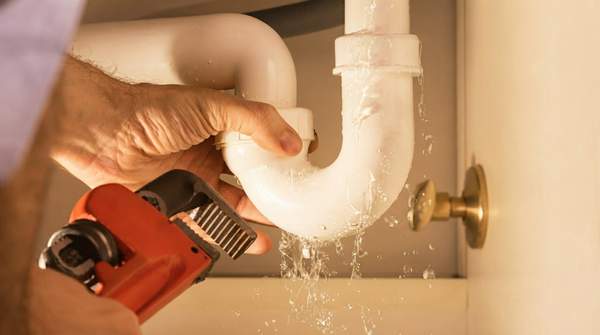
Most common plumbing problems—a slow drain, banging pipes, a toilet that won't stop running—can be diagnosed by a homeowner in minutes, and many can be fixed safely without professional help. The decision hinges on a few clear criteria: whether the problem recurs after a basic fix, whether it requires tools or parts you don't own, and whether it touches the main water supply, sewer line, or a gas line. Plumbing service companies consistently draw the line in the same place: simple component repairs are fair game for DIY, while anything involving sewer lines, gas lines, major leaks, or pipe replacement is a job for a licensed plumber.
Diagnosing Clogged Drains: Symptoms and Solutions
A slow-draining sink or shower, or a drain that's fully blocked, is the classic sign of a clog. Covenant Plumbing, an Illinois plumbing service, counts clogged drains among the fixes most homeowners can handle with patience and basic tools: a plunger or a drain snake usually clears the obstruction. One caution recurs across the advice: skip harsh chemical drain cleaners, which can damage pipes.
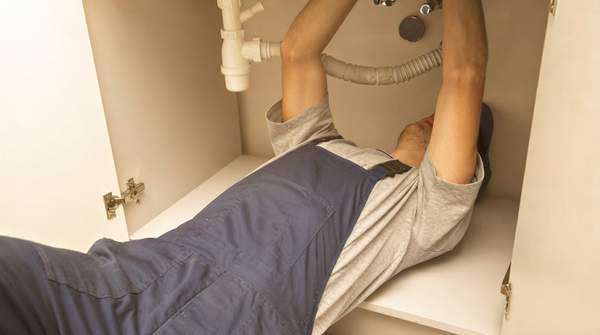
A.J. LeBlanc Heating goes further on the chemistry question, noting that chemical drain cleaners are caustic, can damage older pipes—especially galvanized steel—are often ineffective on real clogs, and pose a burn risk. Mechanical clearing with a plunger, an auger, or removing and cleaning the P-trap is both safer and more effective.
The escalation point is persistence. If the clog survives your mechanical attempts or keeps returning, the blockage may be deeper in the system. PV Heating, Cooling & Plumbing notes that an experienced plumber can run a camera inspection to locate the clog, identify what it is, and determine the best way to remove it—and if the clog is in your sewer line, a plumber is needed without exception.