A homeowner in Ohio recently cut monthly energy costs by $150 after installing a new heat pump and upgrading insulation, according to Homeowner Testimonial. US electricity prices rose 15% year-over-year in Q3 2023, the fastest increase in a decade, according to the EIA. This data is from 2023 and may be outdated. This financial pressure pushes many to reassess home energy consumption and the impact of 2026 energy costs on renovation decisions.
Homeowners express growing concern about energy expenses. A recent survey found 78% are "very concerned" about their energy bills, according to Homeowner Survey, Q4 2023. This data is from Q4 2023 and may be outdated. However, the high initial investment for efficiency upgrades often prevents action.
The current energy crisis will likely accelerate the adoption of energy-efficient home improvements among some homeowners. Simultaneously, it appears to exacerbate energy poverty for others who cannot afford the transition.
The Soaring Cost of Keeping Warm
The global energy crunch directly translates into higher domestic utility bills. Natural gas prices in Europe jumped 300% in the last year, according to the IEA. This data is from the past year and may be outdated. This has spurred a 45% increase in demand for home energy audits in the past six months, according to the Energy Auditor Association, and a 25% surge in heat pump installations in 2023, according to the HVAC Industry Report. This data is from 2023 and may be outdated. Homeowners are shifting priorities toward tangible energy-saving measures.
Efficiency Becomes a Top Priority
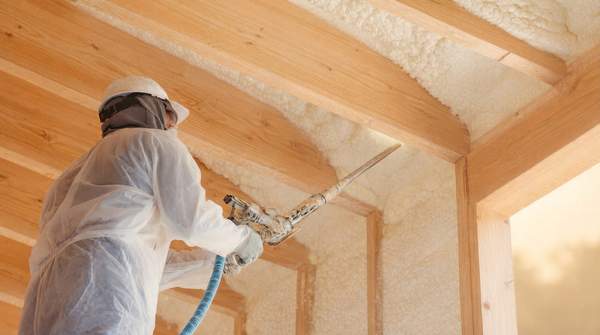
Homeowners prioritize insulation and window replacements over aesthetic renovations, according to Houzz Renovation Trends. Rising electricity costs shortened the payback period for typical solar panel installations from 10-12 years to 7-9 years, according to the Solar Industry Association. This data reflects past conditions and may be outdated. This makes solar a more financially appealing upgrade.
Banks now offer "green mortgages" with slightly lower interest rates for energy-efficient homes, according to Major Bank Lender. This financial incentive improves the economic calculus for energy-efficient upgrades, making them more attractive.