Choosing residential roofing materials is a significant decision for homeowners. While asphalt shingles are the most common in America, metal and wood options offer unique benefits. With new lab-tested reviews, such as the 2026 analysis of asphalt shingles from Consumer Reports, understanding the current landscape is timely. Your roof, as your home's primary defense against elements, impacts curb appeal and energy bills. This guide details key differences in cost, durability, and performance to help you choose confidently.
An Overview of Your Roofing Options
Understanding the fundamentals of each material is essential for homeowners. Most will choose between three primary categories: asphalt, metal, and wood. Each offers distinct characteristics suitable for different homes, climates, and budgets.
Asphalt Shingles
Asphalt shingles dominate the North American roofing market due to their affordability, ease of installation, and simple maintenance and repair, according to IKO. Composed of a fiberglass or organic base mat, waterproof asphalt, and UV-protecting ceramic granules, they come in vast styles and colors. Architectural or dimensional shingles, with multiple layers for a textured, high-end look, are most common. Older, less durable, and less aesthetically pleasing 3-tab shingles, a single flat layer, are less common, as noted by Roofing Force.
Metal Roofing
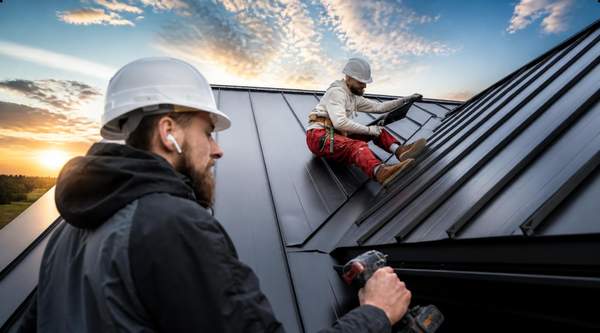
Metal roofing, increasingly popular for residential homes, offers unmatched durability. Available as large standing-seam panels for a modern look or shingle-style panels mimicking traditional materials, most are made from steel or aluminum. Steel panels require factory rust treatment, resulting in a roof that withstands extreme weather. Its longevity, resistance to pests, mold, and moss, and low maintenance are significant advantages over its lifespan.
Wood Shakes and Shingles
Natural wood shakes and shingles offer a classic, rustic appearance. Most are made from cedar, whose inherent oils provide natural weather resistance. Shingles are machine-sawn for a smooth, uniform look, while hand-split shakes create a rugged, textured surface. Wood is an excellent natural insulator, contributing to energy efficiency. However, this aesthetic requires maintenance: wood roofs are susceptible to pests, mold, and moss, and can split or warp over time without proper care.
Other Notable Materials
Less common options include tile and synthetic roofing. Rigid clay and concrete tiles are very durable and fire-resistant but extremely heavy, requiring specialized installation, thus common in southern, snow-free states. Synthetic tiles, newer products often made from post-consumer plastics and rubbers, emulate slate or wood shakes without their weight or maintenance drawbacks.
Comparing the Top Residential Roofing Materials
A side-by-side comparison of key attributes clarifies the trade-offs homeowners must make. Balancing your budget with long-term goals for your home is crucial. This table breaks down the three most popular options across the criteria that matter most.
| Criteria | Asphalt Shingles | Metal Roofing | Wood Shakes & Shingles |
|---|---|---|---|
| Average Cost | Most affordable upfront cost. The price can vary between basic 3-tab and high-end architectural styles, but it remains the most budget-friendly option for installation. | Higher upfront cost. The material and installation are more expensive than asphalt, but the long-term value can be greater due to its lifespan. | High upfront cost. The material is expensive, and installation requires specialized labor, making it one of the pricier options. |
| Lifespan | According to Herbert Roofing, most homeowners can expect a lifespan of 20-40 years, depending on the quality of the shingle and local climate conditions. | Extremely long-lasting. The same source notes that a well-installed metal roof can last up to 100 years, often for the entire time you own your home. | Generally lasts longer than asphalt but requires consistent maintenance to reach its full potential of 30-50 years. Prone to issues like warping and splitting. |
| Durability & Maintenance | Relatively durable but can be damaged by hail or high winds. Individual shingles are easy and inexpensive to replace if damaged. | Highly resistant to fire, pests, mold, and moss. Can withstand extreme weather, including high winds and hail, with minimal risk of damage. Very low maintenance. | Requires regular maintenance, including cleaning to prevent moss and mold growth and treatments to prevent rot and insect infestation. Vulnerable to fire unless treated. |
| Aesthetic Appeal | Extremely versatile. Available in a huge range of colors and styles, from simple, flat looks to deep, textured designs that mimic slate or wood. | Offers a clean, modern aesthetic with standing-seam panels. Available in almost any color. Shingle-style panels can mimic other materials for a more traditional look. | Provides a timeless, natural, and rustic beauty that cannot be perfectly replicated. The look changes and weathers over time, adding to its character. |
| Energy Efficiency | Standard performance. Lighter-colored "cool-roof" shingles with reflective granules are available to help reduce heat absorption, but performance is generally moderate. | Excellent energy efficiency. Metal roofs reflect solar radiant heat, which can reduce cooling costs significantly. Some homeowners may even see insurance savings. | Good natural insulator. Wood's cellular structure helps prevent heat transfer, providing better insulation than asphalt and helping to moderate home temperatures. |
When to Choose Asphalt Shingles
Asphalt shingles are the most practical choice for many homeowners, offering compelling reasons for their selection. Consider asphalt if these scenarios apply to your home and budget:
- Your primary concern is upfront cost. If you're working with a tight budget, asphalt shingles provide a reliable and attractive solution without the high initial investment of metal or wood. They offer the best balance of price and performance on the market.
- You want a wide variety of style options. Whether your home is a colonial, a ranch, or a modern build, there is an asphalt shingle to match it. The sheer volume of colors, textures, and styles available is unmatched by other materials.
- You value straightforward installation and repairs. Asphalt shingles are the bread and butter of the roofing industry. Nearly every contractor is experienced in installing them, which makes finding a qualified professional easy. If a shingle is ever damaged by a storm or falling limb, a simple replacement is quick and affordable.
When to Choose Metal Roofing
A metal roof represents a long-term investment in your home's durability and efficiency. Seriously consider metal if you are looking for performance that goes beyond standard expectations.
- You plan to stay in your home for decades. With a potential lifespan of up to 100 years, a metal roof is often a "one and done" project. If you dislike the idea of re-roofing every 20-30 years, metal offers true peace of mind.
- You prioritize low maintenance and high durability. If you live in an area prone to severe weather like hail, high winds, or heavy snowfall, metal's resilience is a major advantage. Its resistance to fire, rot, and insects means you'll spend less time and money on upkeep over the years.
- Energy efficiency is a top priority. By reflecting solar heat, a metal roof can significantly lower your summer cooling costs. This not only saves you money on utility bills but also reduces your home's environmental footprint. Herbert Roofing even notes that this durability can lead to insurance savings of up to 35% in some states.
When to Choose Wood Shakes
Choosing wood shakes or shingles is a decision driven almost entirely by aesthetic appeal. Wood offers a unique, high-end look that other materials can only imitate. However, this classic beauty requires more care and maintenance.
- The architectural style of your home demands it. For certain home styles—like a historic Craftsman, a rustic mountain lodge, or a classic Cape Cod—a wood roof is essential to maintaining its authentic character. In these cases, the aesthetic value is a top priority.
- You are committed to regular maintenance. A wood roof is not a "set it and forget it" option. You must be prepared for the reality of periodic inspections, cleaning to remove moss and debris, and applying treatments to preserve the wood and protect it from moisture and pests.
- You value natural materials and a unique look. No two wood roofs are exactly alike. The material weathers and ages gracefully, developing a beautiful patina over time. If you appreciate this evolving, natural character and want a roof that truly stands out, wood is an excellent choice.
Frequently Asked Questions
What is the most durable type of roofing material?
In terms of sheer lifespan and resistance to the elements, metal roofing is generally considered one of the most durable options readily available for residential homes, with a potential lifespan of up to 100 years. It holds up exceptionally well against fire, rot, and insects. Natural slate is also incredibly durable but comes with a prohibitive cost and weight for most homeowners.
Are metal roofs much more expensive than asphalt shingles?
Yes, the upfront cost of a metal roof is significantly higher than an asphalt shingle roof. Both the materials and the specialized labor required for installation contribute to the higher price. However, because a metal roof can last two to three times longer than an asphalt roof, its lifetime cost can be lower, as you likely will not need to replace it again.
Are synthetic roofing materials a good alternative?
Synthetic roofing is a promising and growing category. These tiles are engineered to mimic the appearance of materials like natural slate or wood shakes without the associated drawbacks of weight, fragility, or high maintenance. According to IKO, many are made from post-consumer recycled materials. They can last much longer than asphalt or even wood, but as a newer product, their long-term performance across all climates is still being established.
The Bottom Line
The optimal roofing material for your home hinges on a careful balance of your budget, aesthetic preferences, and long-term goals. There is no singular 'best' choice, but rather the ideal solution tailored to your specific needs.
For homeowners focused on immediate affordability and a wide selection of styles, asphalt shingles remain the undisputed champion. They consistently provide reliable protection and great curb appeal at a price point accessible to almost everyone.
If your priority centers on long-term value, exceptional durability, and minimal maintenance, metal roofing stands as the superior investment. Its higher upfront cost is significantly offset by a roof that will likely outlast your time in the home, providing superior energy efficiency and resilience.
Finally, for homeowners who value traditional aesthetics and natural beauty above all else, wood shakes offer a classic, high-end look that is simply unmatched. This choice comes with the understanding that you are trading lower maintenance for a unique and timeless appearance.
The essential step is to gather comprehensive information, obtain multiple quotes from qualified contractors, and carefully choose a material that not only protects your house effectively but also aligns with your lifestyle and long-term financial plan.