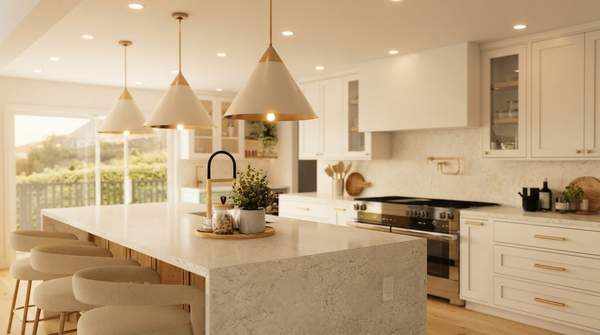
Despite its widespread appeal, the 'quiet luxury' aesthetic in home decor is proving notoriously difficult for most consumers to genuinely replicate. This subtle style, celebrated for its understated elegance and aspirational appeal, relies on bespoke craftsmanship and high-quality materials far removed from typical mass-market offerings. While its visual simplicity might suggest easy emulation, the true depth of this aesthetic lies in details that cannot be cheaply imitated, making it inherently challenging for the average consumer to genuinely achieve. For many aspiring homeowners, this pursuit can lead to unexpected frustration and spaces that miss the mark, leaving them with an imitation that lacks the soul of true quiet luxury.
Ultimately, while the aesthetic will continue to inspire mass-market imitations, its true essence will remain a niche pursuit, potentially leading to widespread frustration among those attempting to emulate it without significant investment. This analysis of quiet luxury home decor trends for 2026 reveals a deeper truth about accessibility and genuine style.
Beyond the Buzz: Defining True Quiet Luxury
True quiet luxury in interior design, as highlighted by oblist, emphasizes understated elegance and quality craftsmanship. This aesthetic prioritizes intrinsic value over overt branding or flashy displays. Imagine a cashmere throw that feels exquisite to the touch, or a solid wood table with perfectly joined seams; these pieces speak volumes through their inherent excellence, not through logos or bold patterns. The distinction lies in subtle sophistication, born from superior materials and meticulous construction. Unlike trends relying on statement pieces or vibrant color schemes, quiet luxury whispers its quality, prioritizing comfort, longevity, and a sense of timelessness. This approach creates environments that feel both refined and deeply personal, inviting a deeper connection to one's surroundings. The true power of quiet luxury, then, lies in its ability to foster a profound sense of belonging and calm, making our homes not just beautiful, but deeply restorative spaces, a sanctuary from the everyday.
The Psychology of Serenity: Why We Crave Understated Elegance
In a world often saturated with digital noise and visual clutter, the appeal of quiet luxury speaks to a profound desire for calm. Oblist notes that neutral colors like beige, cream, and soft greys are characteristic of quiet luxury, promoting calm and serene moods. These subdued palettes create a visual respite, allowing the eye to rest and the mind to unwind, transforming our homes into peaceful refuges. It’s about crafting spaces that nurture well-being, where every element contributes to an atmosphere of understated comfort. This deliberate cultivation of tranquility implies that our homes are becoming increasingly vital sanctuaries, offering a much-needed counterbalance to the relentless demands of modern life.