Decor

6 Outdated Home Decor Items Designers Say to Replace in 2026

Interior designers reveal six home decor items that are making homes look dated in 2026. Learn what to replace to refresh your living space and cultivate a home that feels current and personal.

CW
Clara Whitmore

March 30, 2026 · 8 min read

A modern living room showcasing updated decor with a sleek sofa, minimalist accents, and natural light, contrasting subtly with a dated corner.

For 2026, interior designers urge homeowners to reconsider six key decor items that can instantly age a room's aesthetic. This guide helps refresh living spaces, moving beyond fleeting trends to cultivate a current and deeply personal home. The items were evaluated based on consensus from interior designers and home decor experts.

The list was compiled from published interior designer interviews and expert home decor analysis, focusing on items that significantly impact a room's modern appeal.

1. Matching Furniture Sets — For Lacking a Curated Feel

Imagine stepping into a living room where the sofa, loveseat, armchairs, and coffee table all share the exact same wood finish, upholstery, and leg style. While convenient, overly matched furniture sets are a design choice that can make a home look dated, according to an analysis by roomfortuesday.com. This approach often resembles a showroom floor rather than a thoughtfully collected home, stripping the space of personality and a layered, evolved character. The goal of a modern, inviting space is to tell your unique story, and a pre-packaged set often tells the story of a single shopping trip.

Breaking up matching furniture sets has the highest impact on a room's overall personality, creating a unique space that reflects a homeowner's personal journey and taste. Instead of a uniform look, pair a comfortable fabric sofa with leather armchairs or a sleek, modern coffee table with a more traditional side table. This mix-and-match approach allows for greater flexibility and a dynamic, interesting visual. While curating individual pieces requires more time and a clearer design vision than a one-click purchase, the result is a space that is undeniably yours.

2. Generic Flush Mount Lighting — For Its Lack of Character

Look up. Do you see a simple, dome-shaped glass light fixture flush against the ceiling? Often referred to as "builder-grade" or simple dome-shaped flush mount fixtures, these lights are a common feature in many homes but can instantly make a space feel generic and dated, as noted by home decor experts. While they are functional, they offer little in terms of style or ambiance. Lighting is one of the most powerful tools in interior design, capable of transforming a room's mood and highlighting its best features. Settling for a basic fixture is a missed opportunity to inject personality and architectural interest into your home.
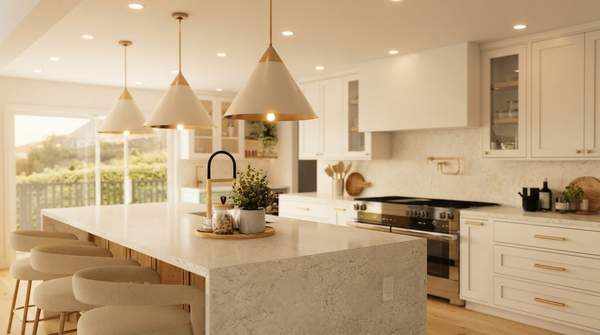
Swapping out lighting is the easiest high-impact update, offering a fast, affordable visual payoff for anyone, including renters with landlord permission. A modern semi-flush mount, small chandelier, or sculptural fixture acts as jewelry for the room, drawing the eye upward to create a sophisticated focal point. The main limitation is that this update requires some basic electrical know-how; if uncomfortable with wiring, factor in an electrician's cost. However, stylish replacement fixtures are available at a wide range of price points, making it one of the most accessible upgrades.

3. Heavy, Ornate Window Treatments — For Obscuring Natural Light

Window treatments do more than provide privacy; they frame your view of the outside world and control the quality of natural light that fills your home. According to design experts at roomfortuesday.com, outdated options like heavy, ornate drapes, cheap plastic blinds, or ill-fitting grommet panels can make a room feel dark, stuffy, and smaller than it is. These choices can weigh down a space, both literally and visually, and often block the precious sunlight that makes a home feel alive and welcoming. The modern approach to window dressing favors materials and styles that are light, airy, and functional.

Replacing bulky drapes instantly brightens a dim home, creating a more relaxed and expansive atmosphere. Swapping heavy damask for breezy linen curtains that filter sunlight beautifully, or clunky blinds with woven wood shades that add texture and warmth, offers superior light control. These alternatives not only look more current but also allow you to create the perfect ambiance throughout the day. A potential drawback is cost, as custom window treatments can be a significant investment; however, many retailers offer excellent ready-made options in standard sizes for a high-end look without the custom price tag.

4. The Solitary Accent Wall — For Feeling Out of Place

For years, the accent wall was the go-to technique for adding a pop of color without committing to painting an entire room. However, interior designers cited by bhg.com suggest that a single, boldly painted wall can now feel abrupt and disconnected from the rest of the space. This approach can sometimes make a room feel unbalanced, drawing all the attention to one surface and creating a jarring contrast rather than a cohesive design. While the intention is to add visual interest, the result can often feel more like an afterthought than an integrated part of the room's decor.

Revisiting the accent wall is a great move for homeowners who want to achieve a more sophisticated and immersive color experience. This item is ranked as the most common trend to reconsider because of its past ubiquity. Modern alternatives create a more holistic and intentional look. Consider painting all four walls in a rich, moody hue for a cozy, enveloping feel. Another option is to add texture through applied molding or wainscoting before painting, creating subtle shadow lines and architectural interest. For those who still love a bold pattern, applying wallpaper to all walls in a smaller space, like a powder room or entryway, can make a stunning statement. The primary limitation is the labor involved; repainting requires careful prep work, from taping edges to moving furniture, which can be a disruptive weekend project. But the result is a polished, harmonious space that feels complete.

5. Excessive Small Knick-Knacks — For Creating Visual Clutter

A home’s decor should be a collection of meaningful objects, but too much of a good thing can lead to visual chaos. Surfaces crowded with dozens of small, unrelated knick-knacks can make a room feel cluttered and dated, according to roomfortuesday.com. While each small item may hold sentimental value, when displayed all at once, they compete for attention, and none of them truly shines. This approach to decorating can make a space feel busy and overwhelming, detracting from the room's overall sense of peace and order. A more modern and serene approach favors curation over collection.

This is the perfect refresh for anyone who feels their space is closing in on them or who simply wants a calmer, more organized environment. This update is ranked as the no-cost refresh because it requires only your time and decisiveness. By editing your collection of decorative objects, you allow each remaining piece to have its own moment. Try grouping items by color or material, or rotate your collections seasonally. This practice of "less but better" is a core principle of methods like the Marie Kondo KonMari Method. The challenge, of course, can be emotional. It’s not always easy to part with items that have memories attached. The key is to find a balance, perhaps storing some items and displaying only your absolute favorites at any given time.

6. Generic "Word Art" — For Lacking a Personal Story

Mass-produced signs featuring words like "Family," "Blessed," or "Live, Laugh, Love" were once a decor staple, but interior designers now suggest they can make a home feel impersonal. When your art can be found in thousands of other homes, it does little to tell your unique story. The same principle applies to overly thematic decor, where every single item in a room adheres to a single motif, such as a beach or Tuscan theme. According to designers cited by bhg.com, these approaches can lack the authenticity and depth that make a house truly feel like a home.

This update is for the homeowner who wants their walls to be a canvas for their life, their travels, and their passions. This is ranked as the best update for injecting true personality into your home. With a few simple tweaks, you can transform your walls into a gallery of your life. Replace generic signs with something that is uniquely you: a framed map of a city you love, a large-scale photograph you took on vacation, a piece of art from a local student fair, or even your children's drawings elegantly framed. These choices are conversation starters and daily reminders of what is important to you. A potential drawback is that finding meaningful art can take time and may require a bigger budget than mass-produced decor. However, the search itself can be a rewarding experience, and the result is a home that is a true reflection of its inhabitants.

Item to ReplaceModern AlternativeEstimated CostBest For
Matching Furniture SetsCurated, mix-and-match pieces$500 - $5,000+ (for replacement pieces)Creating a unique, collected-over-time aesthetic.
"Builder-Grade" Flush MountsStatement or semi-flush mount fixtures$50 - $500+A quick, high-impact update to add character.
Heavy, Ornate DrapesLinen curtains, woven shades$60 - $600+ per windowMaximizing natural light and creating an airy feel.
The Solitary Accent WallFull-room color, wallpaper, or molding$100 - $1,000+Achieving a cohesive and sophisticated design.
Excessive Small Knick-KnacksA curated display of fewer, larger items$0Creating a calm, uncluttered, and serene space.
Generic "Word Art"Personal photos, original art, meaningful objects$20 - $1,000+Injecting true personality and a unique story.

How We Chose This List

To determine which decor items to feature, we analyzed recent reports and interviews from leading interior design publications, such as bhg.com, which consulted directly with professional designers. We cross-referenced these findings with advice from established home decor experts at sources like roomfortuesday.com to identify broad consensus. The items selected are those frequently cited by professionals as elements that can make a home feel dated. We excluded hyper-specific, micro-trends that have a very short shelf life, focusing instead on broader categories of decor that offer homeowners the most significant and lasting opportunity for a stylish, modern update.

The Bottom Line

Refreshing your home doesn’t require a complete overhaul. For the biggest and most immediate impact, designers suggest updating your lighting or breaking up a matching furniture set. If working with a limited budget, a thoughtful decluttering of small accessories or a fresh coat of paint offers a powerful, low-cost path to a more modern and personal living space.