Attic Insulation
6 articles
Choosing Attic Insulation: How R-Value, Cost, and Climate Zone Determine the Right Material
Selecting the best attic insulation requires balancing R-value needs for your climate zone with material costs and installation methods. Consider fiberglass, cellulose, spray foam, and rigid foam based on performance, budget, and DIY potential.

Choosing the Best Home Insulation for Energy Efficiency
Insulation can slash a home's energy consumption by up to 17%, a significant saving often achieved by addressing details as specific as insulating an attic access hatch to the same R-value as the surr

What Are Home Insulation R-Values and How Do They Suit Your Climate?
Home Insulation R-Values: Navigating 2026 Codes for Optimal Efficiency Where R-38 insulation is required in the ceiling or attic, R-30 can satisfy the requirement if installed over 100 percent of the

What Are Types of Home Insulation and Their R-Values for Energy Efficiency?
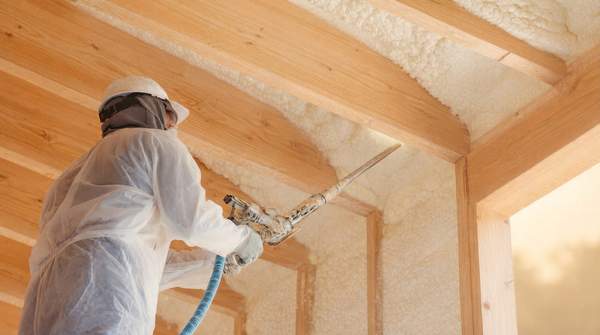
A mere two inches of closed-cell spray foam can achieve an R-value of R-11 to R-16, a stark contrast to other options requiring significantly more material for similar thermal resistance.

How to Choose Home Insulation: A Buyer's Guide to Types and R-Values
Choosing the right home insulation can feel overwhelming, but this guide simplifies the process by explaining types, R-values, and how to select the best option for your home and climate.

How to Choose Attic Insulation to Reduce Energy Costs: A Buyer's Guide
An under-insulated attic is a primary source of energy loss, leading to high utility bills and an uncomfortable home. This guide helps you choose the right insulation to combat energy drain and improve comfort.