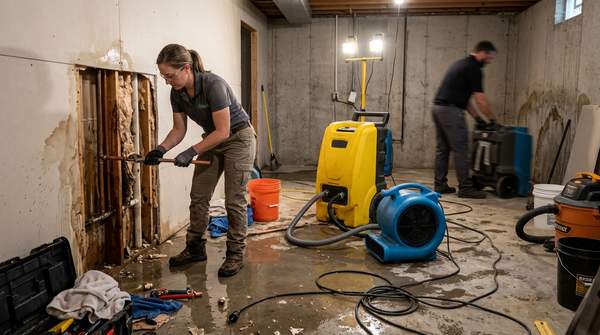
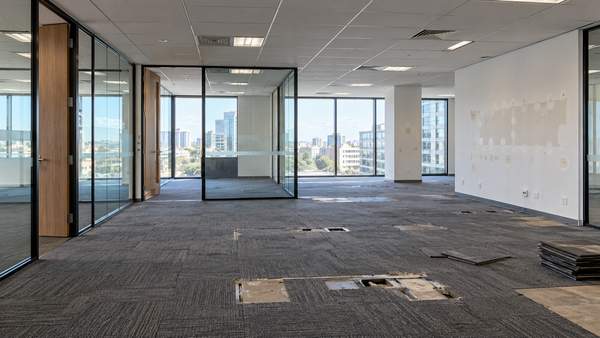
A typical large-scale construction project can now be delivered 30% to 50% faster, not by cutting corners, but by moving plumbing assembly from chaotic construction sites into controlled factory environments, according to Buildcentrix. This shift to prefabricated plumbing systems fundamentally reshapes project delivery, minimizing on-site work and impacting timelines and costs.
On-site construction has long been plagued by unpredictable timelines and safety risks. However, prefabricated plumbing systems are now consistently delivering projects significantly faster with superior safety records.
The construction industry is likely to see a rapid acceleration in the adoption of prefabricated plumbing systems as companies prioritize efficiency, safety, and cost predictability.
Predictability Pays: How Prefabrication De-Risks Large Projects
Prefabrication creates a more predictable environment, allowing contractors to better estimate time and cost, according to Buildcentrix. This translates into more reliable budgeting and scheduling, significantly de-risking large-scale construction ventures for all parties involved. This stability helps avoid costly delays and unexpected expenses, offering a clear financial advantage.
Precision in Production: The Factory Floor Advantage
Prefabricated components, such as plumbing stacks or multi-trade assemblies, are produced more accurately, productively, and safely under controlled factory conditions, according to Buildcentrix. This controlled setting inherently reduces errors.
Projects using prefabricated components typically achieve a defect-free rate above 95%. This superior quality stems directly from rigorous in-house checks, which Buildcentrix reports can halve the defect rate. These dedicated quality assurance steps ensure a higher standard than possible on a chaotic job site, preventing costly rework and delays.
Beyond the Build: Safer Sites, Streamlined Logistics
Moving complex and repetitive tasks into a factory setting makes construction sites inherently safer. This shift reduces worker exposure to hazards and minimizes on-site congestion, a direct improvement over traditional methods.