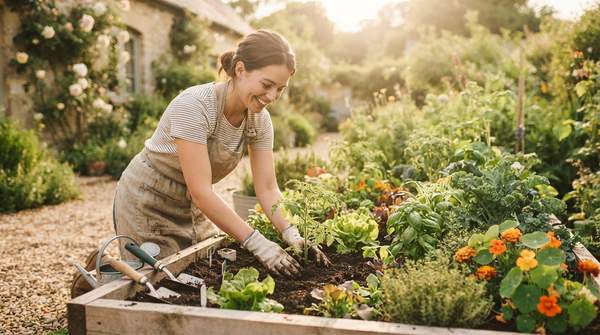
A single patch of well-chosen native plants, a few flat stones, and a shallow water dish can transform your backyard into a bustling sanctuary for declining bee and butterfly populations. This targeted approach provides essential resources for local wildlife, turning even modest urban spaces into vital ecological anchors. Such efforts collectively bolster biodiversity, offering a tangible solution to widespread habitat loss in 2026.
Many assume creating an ecologically impactful garden requires vast space and expertise. Yet, even a small, thoughtfully designed plot significantly boosts local pollinator health. The true power lies in understanding specific needs, moving beyond mere aesthetics to provide a complete micro-habitat. This approach counters the common misconception that significant environmental contributions demand extensive resources. Empowering individuals with practical steps is crucial for mitigating broader ecological decline.
Why Your Garden Matters: The Pollinator Crisis and Your Role
Declining pollinator populations make creating supportive habitats urgent in 2026. An ideal pollinator garden includes more than just flowers; it integrates flat stones for sunning, taller rocks and dense shrubs for shelter, and shallow water sources for hydration, according to ecooptions. This strategic integration transforms a simple garden into a complete micro-ecosystem, offering essential resources beyond nectar and pollen.
Providing these structural elements proves effective ecological support extends beyond plant selection. Pollinators require safe spaces to rest, regulate body temperature, and access water. These additions are as vital as the plants themselves. This comprehensive approach ensures the garden becomes a truly welcoming and sustainable haven for various species, shifting the focus from mere planting to holistic habitat creation.
Your Step-by-Step Guide to a Thriving Pollinator Haven
Starting your pollinator garden in late spring 2026 requires careful planning for optimal success. Plant after the last frost date. Choose a location with at least six hours of sunlight and well-drained soil, according to ecooptions. These conditions establish a foundational environment where plants and pollinators can thrive.
Prioritize native species suited to your local climate. Also, consider plants that deter pests, such as marigolds, geraniums, mint, or lavender. The 'ecooptions' emphasis on native plants and natural pest deterrents shows effective ecological support needs no chemical interventions. This offers a surprisingly simple, self-sustaining approach to garden health, maximizing pollinator safety without specialized pest control.
The ease of meeting these basic requirements—sunlight, soil, and simple structural additions—means even inexperienced gardeners can become vital conservationists. This accessibility ensures the garden is set up for success from the beginning, maximizing its appeal and benefits to pollinators.
Common Mistakes to Avoid for a Flourishing Garden
Many gardeners overlook the critical role of specific structural elements, hindering a pollinator garden's effectiveness. Failing to include flat stones for sunning or shallow water dishes means missing key components of a complete pollinator habitat. These oversights diminish the garden's potential as a true sanctuary, despite diverse flowering plants.
Another common misstep involves chemical pesticides, even in small quantities. These substances harm beneficial insects and disrupt the delicate balance of a pollinator-friendly space. The strategic inclusion of common pest-deterring plants, as previously mentioned, allows for a low-maintenance, chemical-free approach to garden health.
Avoiding these common pitfalls ensures the garden remains a welcoming and safe space for pollinators. An effective pollinator garden is a micro-habitat. It demands these specific structural elements and natural pest management, elements often overlooked in basic planting advice. Ignoring them undermines the garden's ecological purpose.
Your Pollinator Garden Questions Answered
What are the best plants for a pollinator garden?
For a robust pollinator garden in 2026, consider planting native species like coneflowers (Echinacea), milkweed (Asclepias), and bee balm (Monarda). These plants provide essential nectar and pollen. They are adapted to local conditions, requiring less maintenance. Always choose plants free from systemic pesticides to protect visiting insects.
Cultivating Change, One Garden at a Time
Individual pollinator gardens, designed thoughtfully, significantly influence local biodiversity. The minimal requirements for structural elements, like flat stones and shallow water, combined with basic planting instructions, prove a high-impact pollinator sanctuary is more about design than extensive skill or acreage. This accessibility empowers homeowners to contribute meaningfully to conservation. The true power of a pollinator garden lies not just in planting flowers, but in strategically integrating simple structural elements, transforming a mere patch of green into a complete micro-ecosystem. This approach offers a powerful intervention against local ecosystem decline.
By late 2026, widespread adoption of these simple gardening practices could see a measurable increase in local pollinator populations across suburban areas. Initiatives like the HomeStyle & Beyond 'Green Patch' program appear likely to further educate and equip homeowners with the tools needed to make this vital environmental contribution.