Maintenance

A Homeowner's Plumbing System Maintenance and Repair Guide

Don't let minor plumbing issues turn into major disasters. This guide provides homeowners with essential maintenance tips and DIY fixes to keep their plumbing system healthy and prevent costly repairs.

ER
Ethan Rowe

March 30, 2026 · 9 min read

A homeowner confidently inspecting pipes under a kitchen sink with a flashlight, demonstrating DIY plumbing maintenance and repair skills to prevent costly issues.

A persistent *drip, drip, drip* from the kitchen faucet signals a deeper issue within your home's hidden pipe network. Ignoring minor plumbing problems can quickly escalate damage and costs, potentially leading to thousands of dollars in repairs. This comprehensive home plumbing system maintenance and repair guide helps you understand how your system works and perform regular checks, saving money and building confidence to handle common issues yourself.

What Is a Home Plumbing System? (Quick Overview)

A home plumbing system is a sophisticated network of pipes, drains, fittings, valves, and fixtures designed to perform two primary functions: delivering clean, potable water for use and safely removing wastewater. Think of it as your home's circulatory system. The first part, the water supply system, operates under pressure to bring fresh cold and hot water to your sinks, toilets, showers, and appliances. The second part, the drain-waste-vent (DWV) system, works with gravity to carry away used water and waste while preventing sewer gases from entering your home.

These two systems are distinct and must never mix. The supply system is a pressurized network of smaller pipes, usually made of copper, PEX, or galvanized steel. The DWV system uses larger-diameter pipes, typically PVC or cast iron, that are sloped to allow waste to flow downward and out to a municipal sewer line or a private septic tank. Understanding this fundamental division is the first step toward effective maintenance and troubleshooting.

Understanding Your Home's Plumbing System Layout

Understanding your home's plumbing layout is crucial for effective maintenance. While every home is unique, universal principles apply: tracing the path of water reveals connections and potential problem areas. Resources like HowStuffWorks offer basic information to help you get started.

  1. Step 1: The Main Supply Line — Fresh water enters your home from a municipal source or a well through a single large pipe. This pipe passes through a water meter, which measures your usage, and then connects to the main water shutoff valve. Your first task as a homeowner is to locate this valve. It’s often in a basement, crawl space, or utility closet near the front of your house. In an emergency, closing this valve will stop all water flow into your home.
  2. Step 2: The Water Heater — After the main shutoff, the supply line splits. One line carries cold water directly to fixtures and appliances. The other line runs to your water heater. From the water heater, a hot water line runs parallel to the cold water line, delivering heated water to your faucets, showers, dishwasher, and washing machine.
  3. Step 3: Branch Lines and Fixtures — The main hot and cold water lines branch off into smaller pipes that run to individual rooms and fixtures. Each fixture, like a sink or toilet, typically has its own smaller shutoff valves, called fixture stops. These allow you to turn off the water to a single fixture for repairs without shutting down the entire house.
  4. Step 4: The Drain System — Once water is used, it enters the drain-waste-vent (DWV) system. Each fixture has a drain connected to a P-trap, the curved pipe under a sink. The P-trap holds a small amount of water to create a seal that blocks sewer gases from coming up the drain.
  5. Step 5: Waste and Vent Stacks — From the P-trap, wastewater flows into a series of larger drainpipes that lead to a vertical waste and vent stack. This large pipe runs from your basement or foundation up through the roof. The lower part carries waste down and out of the house, while the upper part, the vent, allows air to enter the system. This airflow is critical; it prevents suction that can siphon water from the P-traps and ensures waste flows smoothly.
  6. Step 6: The Main Sewer Line — All waste stacks and drain lines eventually connect to the main sewer line, a large pipe that carries all of your home's wastewater out to the city sewer system or your septic tank.

Essential Preventative Plumbing Maintenance Tips for Homeowners

Preventative maintenance avoids plumbing emergencies, prevents small issues from escalating into costly repairs, and ensures peak system performance, according to Quality Plumbing. Roto-Rooter also offers annual maintenance tips. Here’s a practical checklist to guide you.

1. Routinely Inspect for Leaks

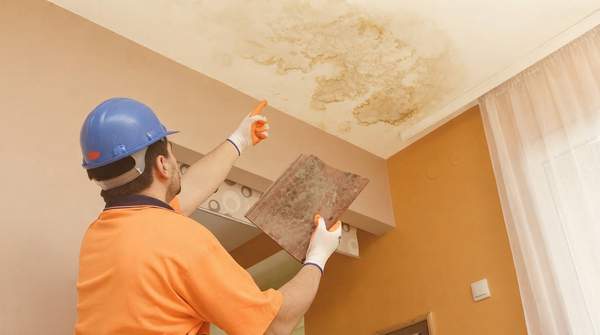
Water leaks are among the most common plumbing issues. Regularly check under sinks, around toilets, and near appliances like water heaters, dishwashers, and washing machines. Look for signs of moisture, water stains on ceilings or walls, or a musty smell. A small, slow leak can cause significant water damage and mold growth over time, contributing to the rising costs of homeownership if left unaddressed.

2. Test Your Water Pressure

Assessing water pressure is crucial: high pressure stresses pipes, joints, and appliances, causing leaks, while low pressure indicates blockages. An inexpensive water pressure gauge, available at any hardware store, attaches to an outdoor hose bib. Turn on the faucet; ideal residential pressure is 40-60 PSI. If it exceeds 80 PSI, consider installing a pressure regulator.

3. Flush Your Water Heater Annually

Sediment (sand, silt, mineral deposits) naturally accumulates in your water heater tank, reducing efficiency, increasing energy bills, and shortening its lifespan. Annually draining and flushing the tank removes this buildup, improving functionality and longevity. The process involves shutting off power and water, connecting a hose to the drain valve, emptying the tank, then refilling.

4. Address Slow Drains Immediately

A slow-moving drain indicates a developing blockage; address it before it becomes a complete clog. For minor clogs, Quality Plumbing suggests flushing with vinegar and hot water. Pour a cup of baking soda down the drain, followed by a cup of white vinegar. Let it fizz for 15-20 minutes, then flush with very hot (not boiling) water.

5. Maintain Your Sump Pump

For homes with basements or crawl spaces, the sump pump is the primary defense against flooding, making spring checks crucial. A report notes Roto-Rooter's "Spring 2026 Guide to Preventing Plumbing Emergencies" identifies sump pump failure as a primary concern. Test your pump by pouring a bucket of water into the sump pit; it should kick on, remove water, and shut off automatically.

6. Insulate Pipes in Cold Areas

Water expands by 9% when freezing, generating immense pressure (up to 40,000 PSI) that can burst pipes. Identify and insulate pipes in unheated areas like crawl spaces, basements, attics, or exterior walls using inexpensive, easy-to-install foam pipe sleeves.

Common Home Plumbing Problems and DIY Fixes

  • Dripping Faucet. A dripping faucet wastes significant water, usually due to a worn rubber washer or O-ring inside the faucet handle.The DIY Fix: Turn off the water supply to the sink using the fixture stop valves. Use a screwdriver or Allen wrench to remove the faucet handle. Unscrew the packing nut with a wrench and pull out the valve stem. Replace the worn washer and O-ring (take old ones to the hardware store for an exact match), then reassemble the faucet.
  • Running Toilet. A constantly running toilet wastes hundreds of gallons daily, typically caused by a faulty flapper—the rubber seal at the bottom of the tank—or an incorrect float height.The DIY Fix: Turn off the water supply to the toilet. Flush to empty the tank. Check the flapper for warping or decay; replace if damaged (it’s simple and inexpensive). If the flapper is fine, check the float. Adjust the float mechanism if set too high, so the water level stops about an inch below the overflow tube top.
  • Clogged Drain. Clogged drains (hair, food scraps) are inevitable. Avoid harsh chemical drain cleaners, which damage pipes; try a mechanical fix first.The DIY Fix: For bathroom sinks and tubs, a plastic drain snake effectively pulls out hair clogs. For tougher kitchen clogs, a sink plunger often works: fill the sink with a few inches of water for a good seal, then plunge vigorously. If that fails, place a bucket under the P-trap, unscrew fittings, and clean it out by hand.

When to Call a Professional Plumber for Repairs

While DIY confidence is valuable, recognize your limits. Some plumbing jobs are too complex, dangerous, or require specialized tools; call a professional to avoid worsening problems. Typical spring plumbing issues cost $150-$10,000. Indystar.com reports water damage claims from freezing average $14,000, and just one inch of water can cause up to $25,000 in damages.

Call a licensed plumber immediately if you experience:

  • A Major Water Leak or Burst Pipe: If you can't stop the water by closing a fixture stop or the main shutoff valve, or if water is actively flooding an area, call a plumber for emergency service.
  • Sewer Line Backup: If you have multiple drains backing up simultaneously, or if you see or smell sewage, this indicates a problem with your main sewer line that requires professional equipment to clear.
  • No Water in the House: If your main shutoff valve is open but you have no water, the problem could be with the municipal supply line or a major leak underground.
  • Water Heater Malfunctions: Aside from flushing the tank, most water heater repairs—especially on gas models—should be left to professionals due to the risk of gas leaks, carbon monoxide poisoning, or explosion.
  • Low Water Pressure Throughout the Home: If you've cleaned your aerators and confirmed your valves are fully open, persistent low pressure could signal a hidden leak or a problem with your pressure regulator.
Essential DIY Plumbing ToolkitPrimary Use
Adjustable Pipe WrenchTightening and loosening pipes and large nuts.
Tongue-and-Groove PliersGripping and turning pipes, nuts, and bolts of various sizes.
Basin WrenchReaching and turning the nuts that secure faucets in tight spaces.
Plunger (Cup and Flange)Clearing clogs in sinks (cup) and toilets (flange).
Hand Auger / Drain SnakeClearing tougher clogs deeper in drain lines.
Plumber's Tape (Teflon Tape)Sealing threads on pipes and fittings to prevent leaks.

Frequently Asked Questions

How often should I have my plumbing professionally inspected?

A licensed plumber can prevent major backups from issues like tree root intrusion by performing camera inspections of your sewer line. Have them inspect your entire system every one to two years to also test water pressure, check your water heater's anode rod, and spot other potential problems you might miss.

What is the best way to prevent pipes from freezing?

Insulate exposed pipes in unheated areas with foam sleeves. Before a hard freeze, disconnect, drain, and store all garden hoses. If outdoor spigots have interior shutoff valves, close them and open the spigots to drain remaining water. During extreme cold snaps, let faucets connected to vulnerable pipes drip slowly to keep water moving.

Are chemical drain cleaners safe for my pipes?

Avoid harsh chemical drain cleaners; their corrosive nature damages older metal and PVC pipes over time, and they are hazardous to handle and bad for the environment. Instead, use mechanical methods like a drain snake or plunger, which are safer and often more effective. For preventative maintenance, enzymatic drain cleaners offer a safer alternative, using bacteria to break down organic waste.

The Bottom Line

Prevent the vast majority of plumbing emergencies by understanding your home's plumbing layout and committing to preventative maintenance. Start by locating your main water shutoff valve and testing fixtures for leaks; these simple first steps make you a more confident and capable homeowner.