Why Home Remodeling Is Shifting to Sustainable, Multifunctional Spaces

Near Salt Lake City, a new 7,700-square-foot model home is showcasing a 'LivingWell' concept, designed not just for comfort, but for enhancing the mental and physical health of its occupants.

CW
Clara Whitmore

April 21, 2026 · 5 min read

Interior of a modern, sustainable home designed for health and well-being, featuring multifunctional living and working spaces with natural light.

Near Salt Lake City, a new 7,700-square-foot model home is showcasing a 'LivingWell' concept, designed not just for comfort, but for enhancing the mental and physical health of its occupants. This large-scale home exemplifies a growing movement towards sustainable, multifunctional living spaces, adapting to evolving lifestyles in 2026. A significant investment in features aimed at enduring well-being for those who reside within its walls is represented.

However, consumers are accustomed to rapid product cycles and disposable goods, a behavior pattern that now contrasts sharply with how homes are being designed. Modern residences are increasingly built for permanence and multi-generational endurance. This tension implies a cultural shift, where homeowners are expected to make higher upfront investments for longer-term value, potentially challenging affordability or requiring a re-education of consumer expectations regarding home ownership.

The residential market appears poised for significant long-term growth in remodeling and new construction that prioritizes health, adaptability, and enduring value over fleeting trends. A growing demand for homes that serve not just as temporary shelters, but as lasting assets supporting the well-being of multiple generations is reflected by this foundational shift.

The Wellness Home Revolution

Tri Pointe Homes is launching its LivingWell wellness concept, an expansion of its LivingSmart program, focused on enhancing mental and physical health through innovative design, according to HousingWire. This initiative moves beyond superficial amenities, integrating core features that actively support a healthier lifestyle for residents. The design emphasizes a comprehensive approach to well-being, acknowledging the profound impact a home environment has on its occupants.

LivingWell homes will incorporate specific design elements to achieve these goals. Abundant natural light, smooth room flow, and seamless indoor-outdoor connections are central to the new designs, fostering a sense of openness and connection to nature. Additionally, the homes feature quiet zones, restorative bathrooms, and flexible living areas like carriage houses, as reported by HousingWire. This signifies a comprehensive shift towards homes actively designed to support inhabitants' holistic health and adaptable lifestyles, recognizing that modern living requires spaces that can evolve with individual and family needs.
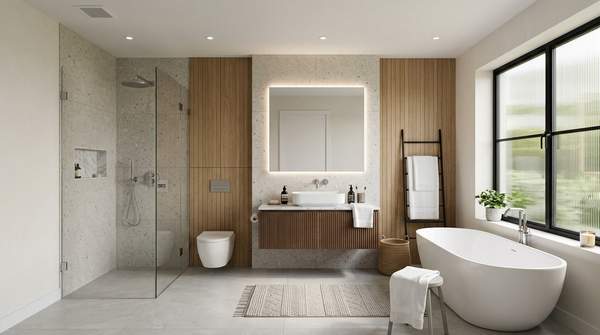
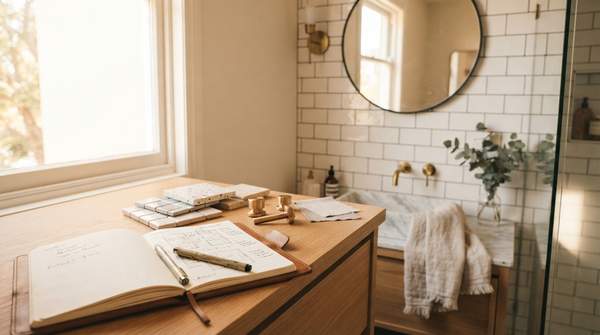
These elements are not merely luxury add-ons. They are strategically integrated as core components of a home's wellness infrastructure. A shift from transient comfort to enduring health and adaptability, ensuring that homes provide lasting benefits, is reflected. Homebuilders are now actively positioning wellness and enduring design as core value propositions, signaling a pivot from amenity wars to a deeper investment in occupant health and structural longevity.

A Market Built to Last

  • 3% — Residential remodeling activity is expected to increase in 2026, with an additional 2% increase projected for the following year in inflation-adjusted terms, according to the NAHB. A consistent demand for home improvements that extend beyond basic maintenance is underscored by this steady growth.
  • 19% — Overall remodeling expenditures are projected to be higher in 2030 compared to current levels, according to the NAHB. A significant long-term commitment by homeowners to invest in their properties is highlighted by this figure.
  • 32% — By 2035, overall remodeling expenditures are expected to rise by this percentage, according to the NAHB. That homeowners are increasingly investing in their existing properties for multi-generational performance rather than just aesthetic updates is indicated by such robust long-term growth.

A robust and growing market for home investments that prioritize long-term value and adaptation, moving beyond short-term fixes, is indicated by these projections. The sustained increase in remodeling activity suggests a fundamental shift in homeowner priorities, emphasizing durability and lasting utility. That homeowners are increasingly viewing their properties as multi-generational assets, prioritizing substantial, lasting improvements over superficial updates, is indicated by the projected robust long-term remodeling growth combined with the emphasis on permanence.

The Enduring Value of Permanence

In 2026, sustainability in design means permanence, focusing on longevity rather than short lifecycles and rapid replacement, as stated by Yanko Design. This philosophy challenges the consumer market's historical reliance on rapid product cycles and disposable goods. Instead, it advocates for a deeper commitment to the lifespan of architectural structures, ensuring they serve purposes for generations.

True ecological responsibility aligns with architectural endurance, where reduced carbon impact comes from buildings designed to perform for centuries, according to Yanko Design. This redefines sustainability not just as using eco-friendly materials, but as a commitment to architectural endurance that minimizes environmental impact through multi-generational use. The environmental benefits of a home that lasts for hundreds of years far outweigh the carbon footprint of frequent demolition and new construction.

This emerging design philosophy requires consumers to make higher upfront investments for longer-term value. A significant cultural shift from viewing homes as transient assets to seeing them as foundational, lasting legacies is represented. This emphasis on permanence ensures that the homes we build today will continue to provide comfort and utility for our descendants, reducing waste and preserving resources over extended periods.

Showcasing the Future of Living

The first model home showcasing the LivingWell concept is approximately 7,700 square feet and is located in The Pavilions at Holladay Hills near Salt Lake City, according to HousingWire. That the pursuit of wellness and sustainability in modern home design is not necessarily leading to smaller, more efficient footprints is demonstrated by this sprawling residence. Instead, it integrates these concepts into large-scale, luxury living, offering expansive spaces designed for holistic well-being.

The scale and ambition of new homes designed with holistic well-being and future adaptability at their core is highlighted by this significant development. A trend where wellness features are becoming foundational elements of a home's long-term value, not just transient amenities, is underscored by the size of the model home. It illustrates how builders are responding to consumer demand for homes that cater to comprehensive health while also providing ample space for diverse activities and multi-generational living arrangements.

That wellness features are becoming foundational elements of a home's long-term value is indicated by the integration of 'LivingWell' concepts by major builders like Tri Pointe Homes, alongside a broader industry shift towards 'permanence' in design. This particular model home serves as a tangible example of how modern home design is evolving to meet complex demands for comfort, health, and enduring quality, fundamentally reshaping investment priorities in residential real estate.

Materials for a Multi-Generational Future

Material choices now prioritize longevity and enduring aesthetic appeal to support multi-generational living.

  • Materials like natural stone, solid wood, and metal are preferred for their ability to remain relevant across decades, offering a long-term return on investment, according to Yanko Design. These selections stand in stark contrast to cheaper, ephemeral materials that require frequent replacement, contributing to waste and diminishing long-term value.

A strategic investment in homes that offer lasting relevance, reduced waste, and a strong financial return over time is underscored by the preference for durable, timeless materials. These materials not only withstand the rigors of daily life but also age gracefully, developing character and charm that enhance a home's appeal across generations. By choosing materials built to last, homeowners contribute to architectural endurance, ensuring their properties remain functional and beautiful for centuries while minimizing their environmental footprint.

Key Takeaways for Enduring Home Design

  • Tri Pointe Homes launched its LivingWell concept, integrating wellness features into new home designs for enhanced occupant health.
  • Residential remodeling activity is expected to increase 3% in 2026, signaling sustained investment in existing properties.
  • The NAHB projects overall remodeling expenditures will be 32% higher by 2035, underscoring a robust long-term market for home improvements.
  • Design philosophy shifts towards permanence, advocating for architectural endurance where buildings perform for centuries to reduce carbon impact.