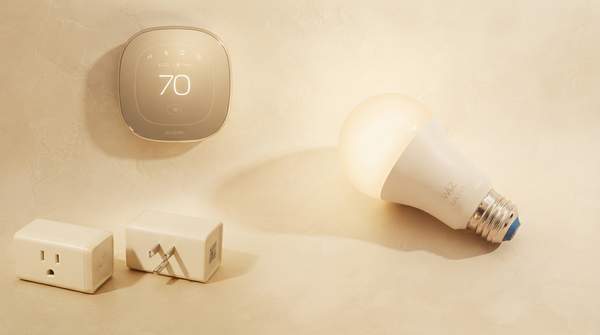
If your goal is a smaller utility bill, three device categories matter most: smart thermostats, smart lighting, and smart plugs or power strips. Among them, smart thermostats generally offer the biggest potential payoff—up to 10–15% off heating and cooling costs—but your actual result depends heavily on what equipment you're replacing and how you use it. Here's how the three compare, and how to decide where to start.
Smart Home Energy Savings: A Comparison Framework
The table below synthesizes reported savings figures, the conditions that drive them, and purchasing criteria for each device category. One caveat applies across every row: these percentages are estimates drawn from energy-sector reporting, and Blue Ridge Energy notes that homes with smart technology use an estimated 30–40% less energy on average, though that share can shrink depending on how the technology is used.
| Device Type | Potential Energy Savings | Key Influencing Factors | What to Look For |
|---|---|---|---|
| Smart Thermostats | Up to 10–15% on heating and cooling bills, per BKV Energy | Savings are largest when replacing a non-programmable thermostat; user behavior and home efficiency matter | ENERGY STAR certification; HVAC compatibility |
| Smart Lighting | Smart LED bulbs can cut lighting energy consumption by up to 80%; smart lighting can cut electricity use by as much as 75% versus traditional bulbs | Most savings come from LED efficiency plus automation that dims or switches off unneeded lights; depends on the bulbs being replaced | ENERGY STAR certified bulbs; expect a higher upfront cost than standard LEDs |
| Smart Plugs & Power Strips | Smaller but notable savings by cutting standby ("phantom") power waste | Depends on how many connected devices draw power when idle, and whether you actually identify and manage them | Monitoring features that reveal which appliances are energy-hungry; rebate availability |