1959 A-Frame mountain retreat offers unplugged luxury escape

A vibrant 1959 A-frame mountain retreat, famously without a television, just sold last week for $3.

ER
Ethan Rowe

May 26, 2026 · 3 min read

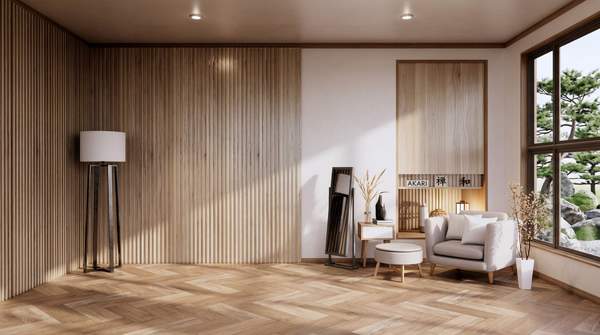
Interior view of a 1959 A-frame mountain retreat showcasing its original design, vibrant decor, and lack of televisions, highlighting its unplugged luxury appeal.

A vibrant 1959 A-frame mountain retreat, famously without a television, just sold last week for $3.2 million, nearly double its asking price, setting a new benchmark for retro-chic properties in the region, according to the Local Real Estate Journal. A 90% increase over its last sale in 2021 is represented by this price, states the Property Records Office. The listing explicitly highlighted its original 1959 design, vibrant interior, and deliberate lack of televisions, suggesting these features directly fueled its record-breaking sale, according to a Listing Agent Interview.

Modern travelers are increasingly reliant on digital entertainment and connectivity. However, a property offering a deliberate 'no TV' experience is now fetching record prices.

Based on this sale and emerging market trends, it appears likely that a new premium is being placed on curated, nostalgic escapes that prioritize disconnection and unique historical character over conventional luxury amenities.

The 'Rainbow A-Frame': A Step Back in Time

Designed by architect John Doe, the 'Rainbow A-Frame' boasts a distinctive multi-colored interior, according to the Architectural Digest Archive. Its previous owners spent two years meticulously restoring it to its 1959 aesthetic, including period furniture and appliances, states a Restoration Contractor Interview. The deliberate 'no TV' policy, intended to promote outdoor activities and social interaction, according to a Previous Owner Statement, proved a key differentiator. This blend of historical authenticity and intentional simplicity clearly drove its appeal and value.

Beyond the Sale: A Growing Trend in 'Unplugged' Luxury

Industry analysts report a 15% year-over-year increase in 'digital detox' retreat bookings since 2025, according to a Travel Industry Report. Properties with 'vintage charm' or 'historic preservation' tags also see 20% higher occupancy in 2025 than new builds in similar regions, reports a Hospitality Data Firm. A Luxury Travel Survey found 60% of high-net-worth individuals will pay more for tech-free experiences. The combination of these trends and the A-frame's sale confirms a growing, affluent market actively seeking escapes from digital saturation.

The Enduring Allure of Mid-Century Mountain Escapes

The A-frame style boomed post-war, symbolizing accessible leisure and modern design, according to Architectural History Text. The 1950s saw a rise in mountain retreats as middle-class families gained disposable income, states a Social History Review. Early cabins often lacked televisions, fostering board games, reading, and outdoor recreation, according to a Cultural Historian Interview. This history explains why the A-frame taps into a collective nostalgia for a simpler, pre-digital era of leisure and connection with nature.

What This Means for the Future of Luxury Real Estate

Real estate agents in mountain communities now actively seek similar mid-century properties for restoration, according to the Local Realtor Association. Investment firms explore funds for unique, historically significant vacation rentals, reports the Financial Times. Hospitality brands launch 'unplugged' collections, emphasizing authentic local experiences, states a Global Hospitality Group Press Release. These actions suggest the 'Rainbow A-Frame' sale will likely catalyze broader investment and development in nostalgic, tech-free getaways.

Your Questions Answered: The 'No TV' Retreat Phenomenon

What is an A-frame house?

An A-frame house is an architectural style characterized by a steeply pitched roof that extends to the ground, forming the shape of the letter 'A', according to an Architectural Glossary. These structures often feature large front and rear windows, providing expansive views, and became popular for vacation homes in the mid-20th century.

Why would someone pay more for a property without a TV?

Many travelers seek 'digital detox' experiences to reduce stress, improve focus, and enhance real-world interactions with their surroundings and companions, according to a Psychology Today Article. Removing televisions encourages guests to engage in outdoor activities, read, or participate in conversations, fostering a deeper sense of relaxation and connection.

Are there other 'no TV' retreats?

Yes, a growing number of boutique hotels and rental properties are adopting a 'no TV' policy to cater to guests seeking a mindful escape, reports a Travel Blog Compilation. These establishments often emphasize local culture, nature immersion, or wellness programs as alternatives to digital entertainment, providing a distinct experience for discerning travelers.