Despite a constant churn of new design trends, clients are increasingly craving homes that feel timeless but still personal, with natural materials that age gracefully (Architectural Digest). They seek performance fabrics that don’t look performance and lighting that feels both functional and artistic.
Design trends often push for constant updates and disposable items. Yet, clients actively seek enduring aesthetics and lasting quality. This creates a clear tension between quick consumption and thoughtful investment.
The growing demand for lasting quality and the inherent trend-proof nature of natural materials suggests a sustained market shift towards classic, well-crafted home elements over fleeting fads.
1. Natural Materials (Wood, Stone, Marble)
Best for: Homeowners seeking foundational elements that resist trends.
Natural materials like wood, stone, and marble are inherently trend-proof, forming a stable base for any style (Style by Emily Henderson). Marble, especially, stands as the ultimate material for bathroom and kitchen countertops (Architectural Digest). These materials are desired because they age gracefully, integrating seamlessly into a home's evolving character, offering a foundational elegance that transcends temporary fads.
Strengths: Inherent beauty, extreme durability, versatile aesthetic | Limitations: Higher initial cost, requires maintenance | Price: Varies significantly by material and quality.
2. Reclaimed Furniture and Vintage Finds
Best for: Individuals prioritizing unique identity and sustainable choices.
Reclaimed furniture and vintage finds are gaining favor over mass-produced pieces, fostering a timeless design approach (Architectural Digest). The shift reflects a deeper consumer value towards sustainability and the unique narrative a second-hand piece brings, implying a desire for character over convenience.
Strengths: Unique character, eco-friendly, adds narrative | Limitations: Requires searching, may need restoration | Price: Varies widely, often less than new custom pieces.
3. White Kitchens (Quality Materials, Not Overly Modern)
Best for: Those desiring a clean, classic culinary space.
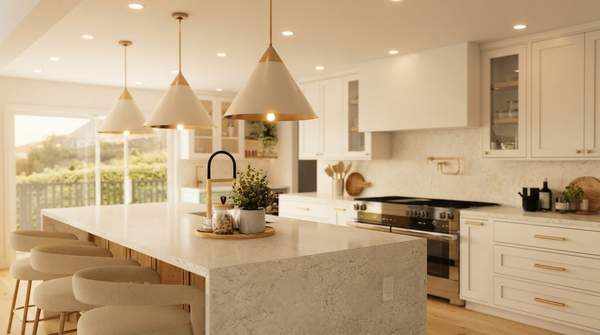
White kitchens remain timeless, provided their elements are not overly modern and use quality materials (Style by Emily Henderson). The enduring appeal suggests that thoughtful material selection and classic design principles outweigh fleeting, hyper-specific trends.
Strengths: Bright, versatile, visually expansive | Limitations: Can show dirt easily, requires thoughtful material selection | Price: Mid to high, depending on material quality.
4. Ceramic Subway Tiles
Best for: Homeowners seeking classic and durable wall or backsplash finishes.
Originally a 3-by-6-inch rectangle, ceramic subway tiles have endured as a staple in bathrooms and kitchens (Architectural Digest). Their simple, clean lines offer a versatile backdrop, proving that understated utility can be a powerful, lasting design choice.
Strengths: Durable, easy to clean, classic aesthetic | Limitations: Can appear sterile if not balanced, grout maintenance | Price: Low to moderate.
5. Curves in Furniture
Best for: Adding softness and fluid movement to a space.
Curves in furniture continue to be a key trend, showing no signs of slowing (Finnterior Designer). The enduring aesthetic introduces a gentle, inviting quality to interiors, softening harsh lines and suggesting a preference for comfort and organic flow.
Strengths: Adds softness, organic feel, comfortable | Limitations: Can be bulky, may require more floor space | Price: Moderate to high.
6. Earthy Tones (Brown, Khaki)
Best for: Creating a grounding, serene, and natural atmosphere.
Earthy tones, such as brown and khaki, feature heavily in 2026, creating calm and a connection to nature (Finnterior Designer). These warm, neutral palettes offer a versatile foundation, implying a desire for grounding serenity in our living spaces. For more, see our New Living Space Design Trends.
Strengths: Calming, versatile, natural feel | Limitations: Can feel muted if not properly accented, requires good lighting | Price: Low (paint) to high (furniture).
7. Darker Metal Finishes (Aged Brass, Brushed Metals)
Best for: Infusing spaces with warmth, sophistication, and a sense of history.
Darker metal finishes, like aged brass and brushed metals, are taking center stage in 2026 (Finnterior Designer). These richer, more subdued alternatives to polished chrome add depth and character, suggesting a move towards more sophisticated, less ostentatious details.
Strengths: Adds warmth, sophisticated, hides fingerprints | Limitations: Can feel heavy in small spaces, may be pricier | Price: Moderate to high.
Quality vs. Quantity: The Timeless Divide
| Feature | Enduring Style Approach | Ephemeral Trend Approach | Key Characteristic | Long-Term Value |
|---|---|---|---|---|
| Materials | Natural wood, stone, marble | Cheap, synthetic composites | Ages gracefully, inherent beauty | High; appreciates over time |
| Furniture | Reclaimed pieces, vintage finds, artisanal craftsmanship | Mass-produced, disposable items | Unique character, built to last | High; often retains or increases value |
| Design Philosophy | Investment-grade aesthetics, personal narrative | Constant updates, fleeting "looks" | Durability, authenticity, personal connection | Excellent; creates a cherished, stable home |
Clients explicitly demand designs that endure, both aesthetically and in quality, moving beyond quick consumption to thoughtful acquisition. Client demand signals a clear market shift towards valuing well-made, lasting pieces over disposable alternatives (Architectural Digest).
Beyond Trends: The Principles of Lasting Style
Lasting style hinges not just on materials, but on their application. White kitchens, for instance, remain timeless when built with quality, classic elements, avoiding overly modern or fleeting features (Style by Emily Henderson). Designers must pivot from selling transient 'looks' to promoting enduring 'investments,' prioritizing craftsmanship and natural materials that age gracefully. As Style by Emily Henderson states, quality and craftsmanship will always prevail over cheap, synthetic alternatives.
If current client preferences for enduring quality and personal narrative continue, the home design market will likely prioritize investment in classic, well-crafted elements over fleeting trends for years to come.
Frequently Asked Questions About Timeless Design
What are the most popular timeless interior design trends for 2026?
While many elements endure, 2026 sees a strong emphasis on natural materials like rich woods and honed stones. Additionally, the integration of artisanal, handcrafted pieces and a preference for muted, earthy color palettes are gaining significant traction, moving away from stark or overly bright interiors.
How to achieve a timeless interior design style?
To achieve a lasting style, focus on quality over quantity, investing in well-made furniture and durable natural materials that stand up to daily use. Prioritize classic silhouettes and a cohesive color scheme, allowing personal accents and art to evolve without necessitating a complete overhaul of foundational elements.
What interior design elements never go out of style?
Certain elements consistently endure due to their functionality and classic appeal, including robust hardwood flooring, classic Shaker-style cabinetry, and tailored upholstered furniture in neutral performance fabrics. These foundational pieces provide a versatile canvas that adapts to changing tastes and accessories.