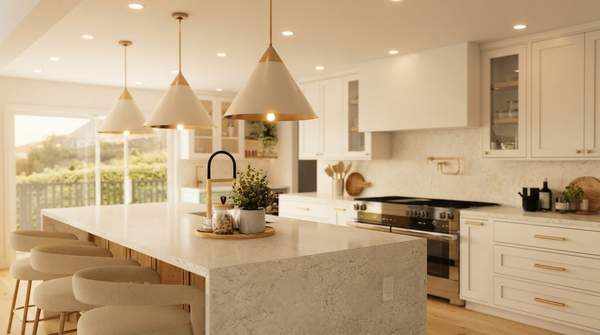
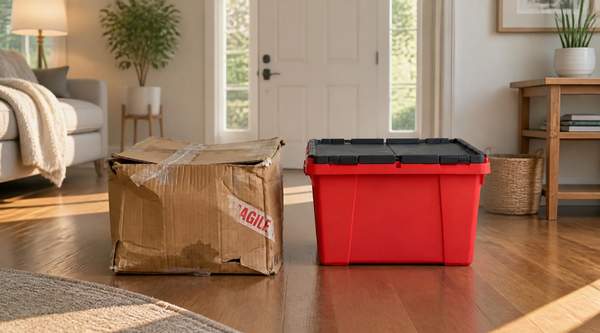
Some interior design trends now have a lifespan of just six months, pushing consumers into an endless cycle of discarding and redecorating. This rapid turnover, as highlighted by ELLE Decor, reveals that your home aesthetics are increasingly treated as disposable, not durable. This constant churn, common in fast decor, drastically redefines what we consider 'timeless' or even 'seasonal' in our living spaces, accelerating a financially and environmentally costly trend cycle.
You seek to express personal style through home decor, yet the accelerating pace of trends makes genuine, lasting expression increasingly difficult and environmentally costly. This tension creates a challenging dilemma: how do you cultivate a home that feels uniquely yours without falling victim to fleeting fads? True personal style becomes a fleeting, expensive illusion when trends dictate your choices.
Without a significant shift in consumer mindset and industry practices, the environmental and financial burden of fast decor will continue to escalate, undermining efforts towards sustainable living.
Many find themselves replacing decorative items like throw pillows or small furniture every one to two years just to keep their home feeling current. Social media platforms like Instagram and Pinterest accelerate these trend cycles, with new aesthetics emerging and fading rapidly. This constant digital exposure fosters a desire for immediate updates, treating home furnishings as temporary fashion rather than long-term investments that truly reflect who you are. This relentless push to update prevents the development of deeply personal and enduring home environments, replacing genuine connection with transient novelty.
The Hidden Costs of Chasing Trends
Landfills receive an estimated 12 million tons of furniture and home furnishings annually, with only 0.3% being recycled, according to an EPA Waste Management Report. This stark figure reveals the immense environmental toll of a throwaway decor culture, where items are quickly discarded rather than repurposed or repaired. The vast majority of discarded decor contributes directly to landfill burden, not circularity, creating a silent crisis beneath our pursuit of the 'latest look'.
Beyond the waste, the production of cheap, trendy decor often relies on non-sustainable materials and exploitative labor practices in developing countries, as noted by the Environmental Justice Foundation. This means your desire for an affordable, updated look can contribute to a much larger, global problem, affecting both ecological systems and human rights. The carbon footprint of manufacturing and shipping these low-cost, short-lived decor items is disproportionately high relative to their utility, a fact confirmed by a Carbon Trust Study. The low price tag at checkout, therefore, often hides a significant global ethical and environmental cost.